Meet Pilar
Seventeen years studying how the mind works under pressure, eleven of them in professional practice. Eight years applying it to the people running companies, on every inhabited continent.

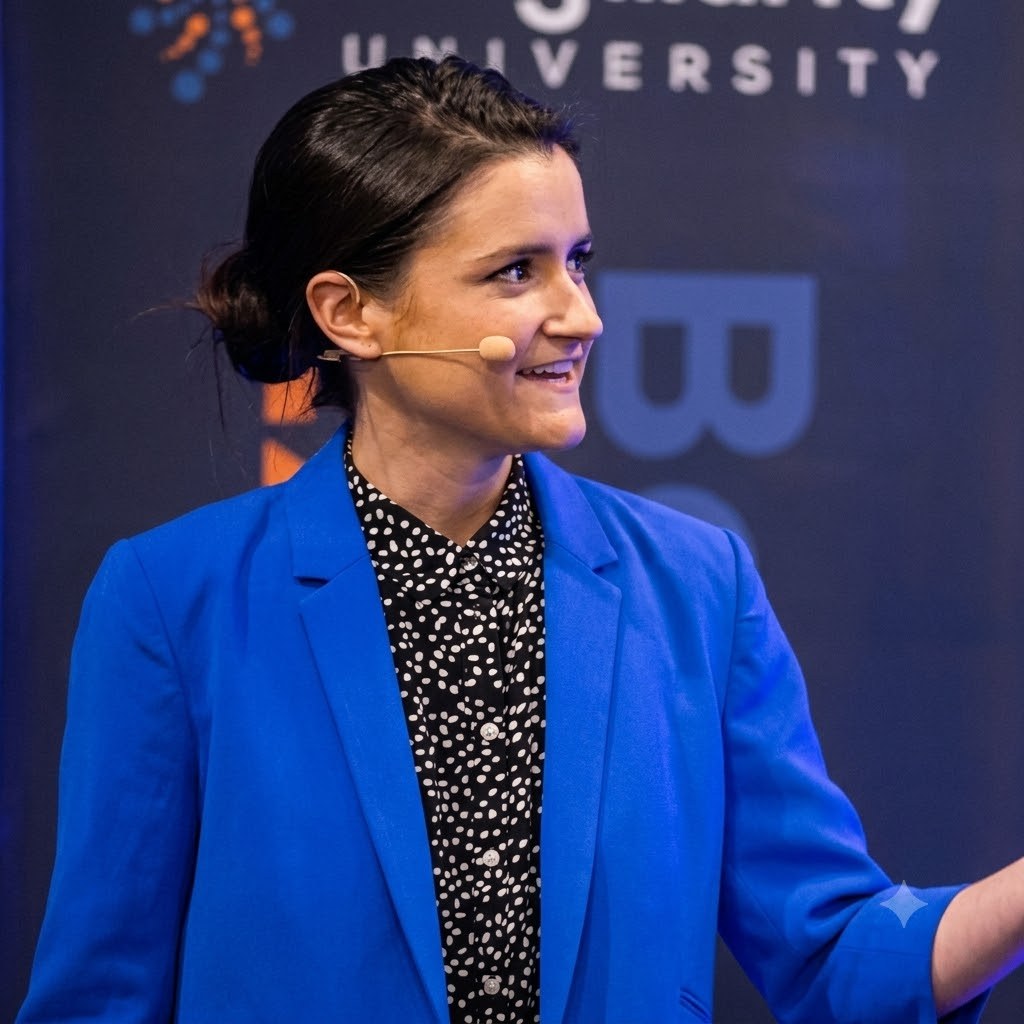
On stage · Singularity University
Seventeen years inside the science, eleven of them in professional practice. I understand how minds actually work under load, as a discipline rather than a metaphor.
Eight years inside the real decisions of people running companies. I know what a board seat costs you at three in the morning.
My clients are in North and South America, Europe, Africa, Asia and Oceania. Every inhabited continent on earth. Pressure is universal. Its expression never is.
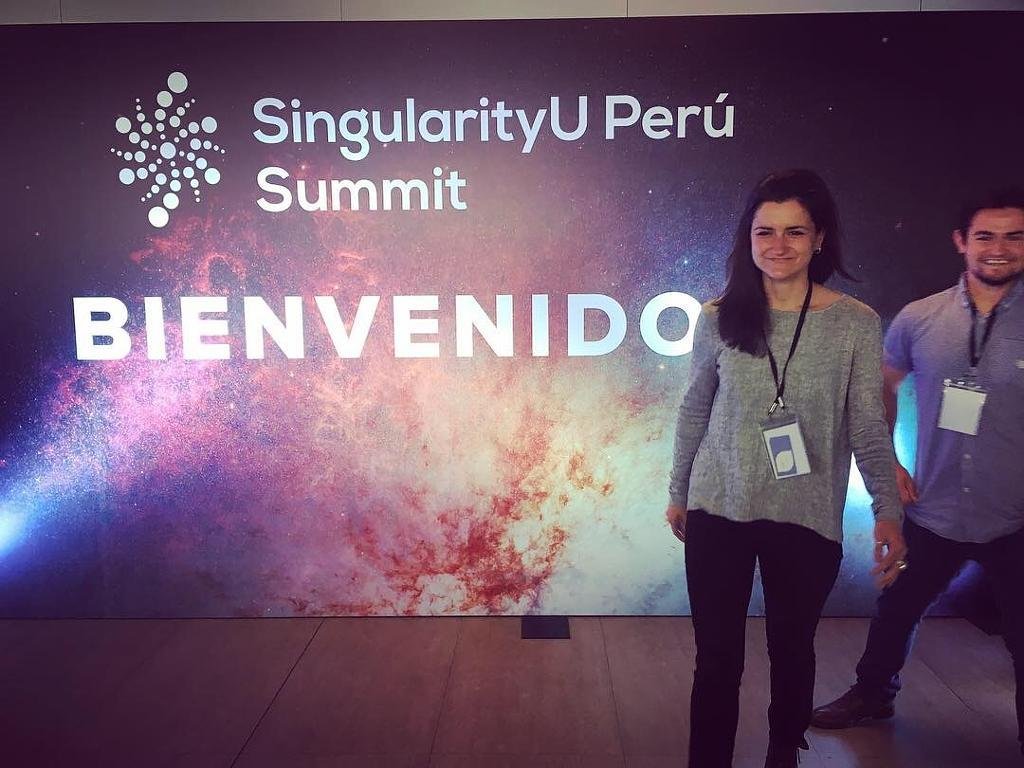
I've taken this work to stages and leadership rooms on several continents, including the SingularityU Summit.
I won a scholarship to study innovation and technology at NASA. It is why I can follow a conversation about your product as easily as one about your mind.
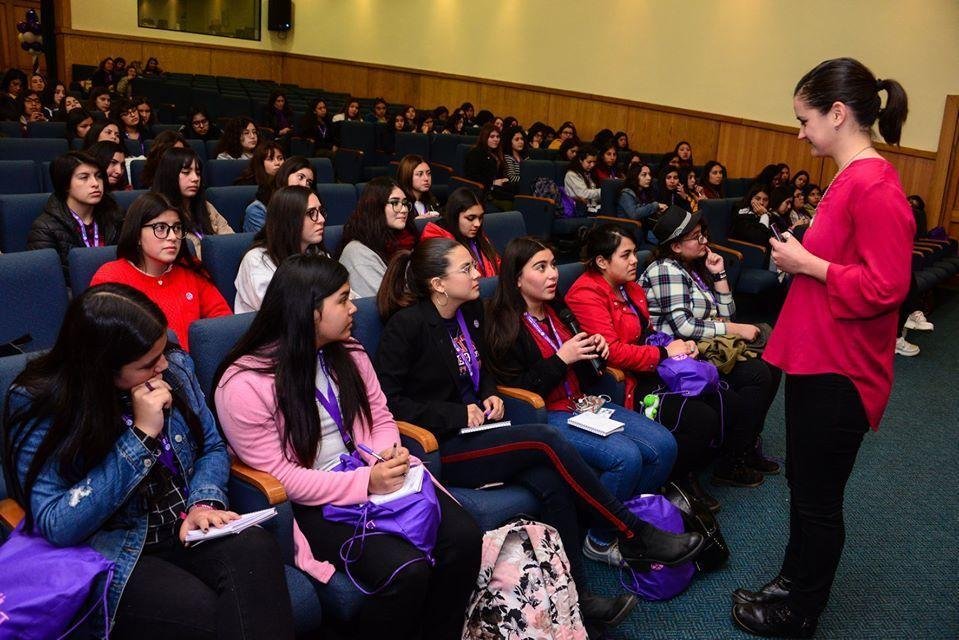
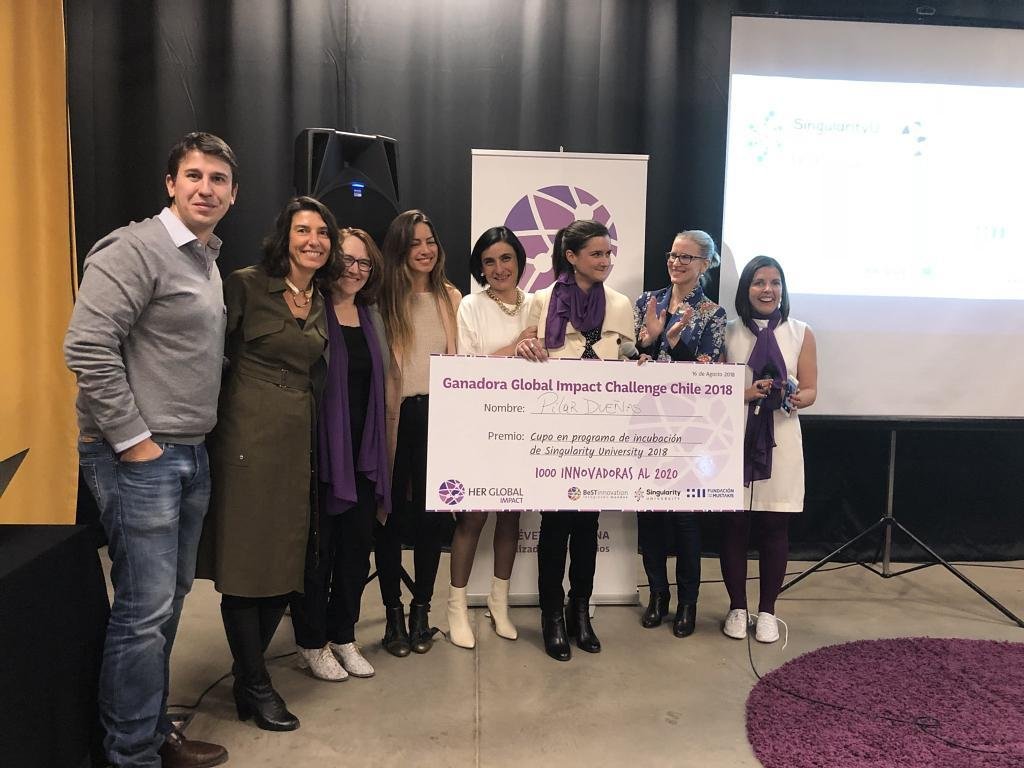
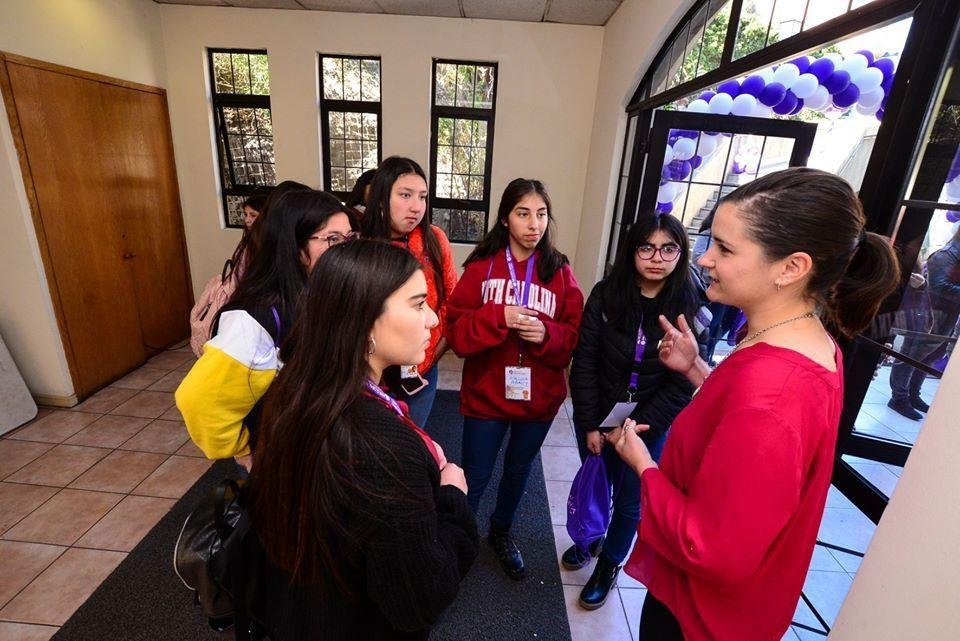
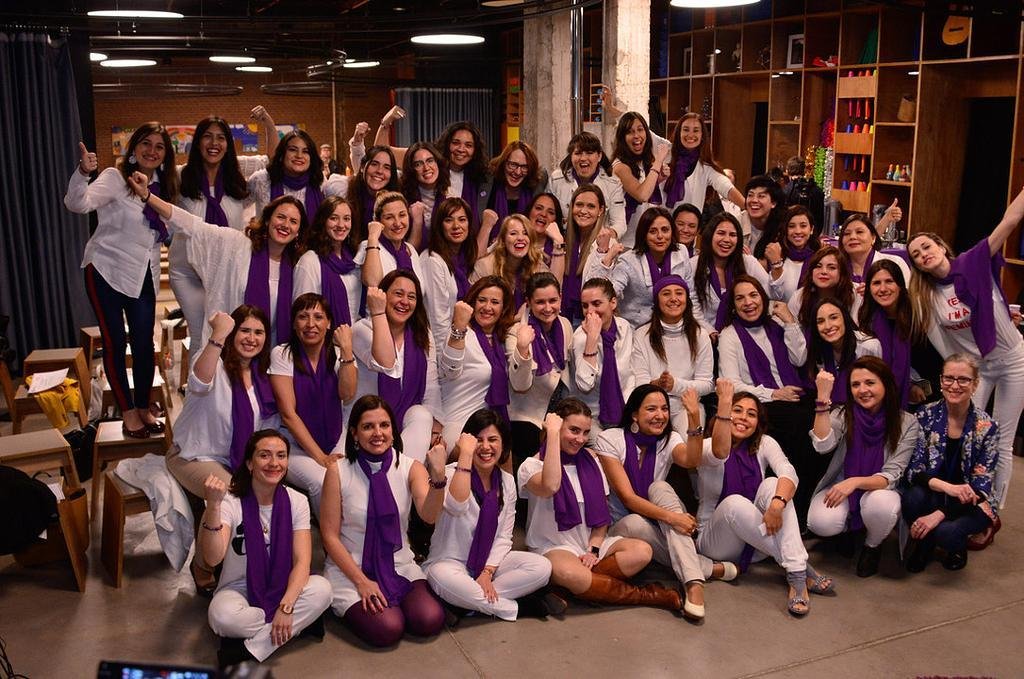
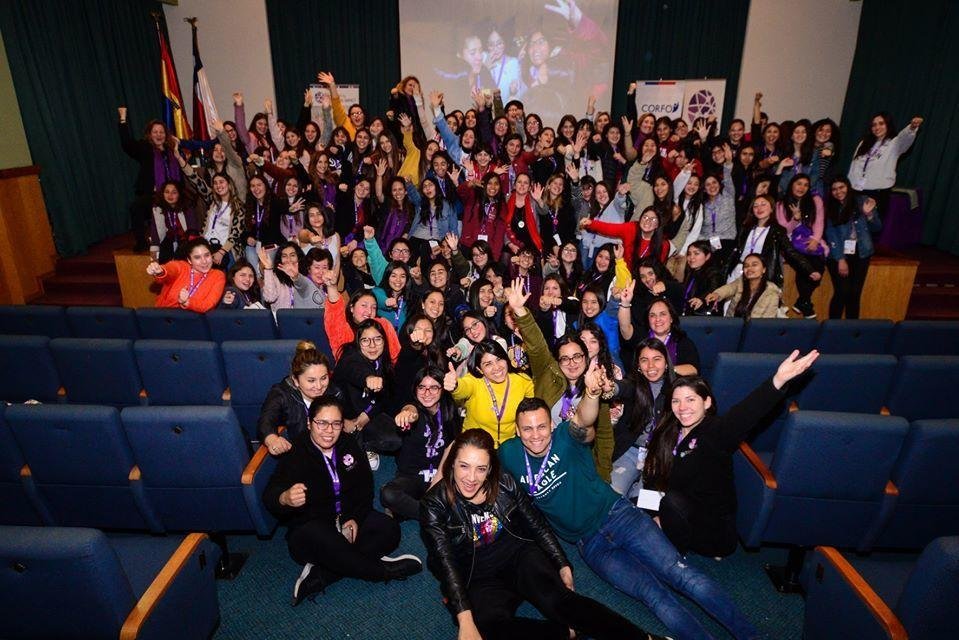
Much of my public work has been with women building something for the first time, through 1000 Innovadoras al 2020 and programmes like it. Nothing sharpens your understanding of fear like watching a hundred people meet it at once.
University psychology journal, years as an assistant professor while still a student, cum laude, a perfect score on a thesis my supervisor wanted to publish. I never really stopped.
Games are the one discipline that took motivation, progress and mastery seriously enough to engineer them. I have been borrowing from it ever since.
In the room


My story
I went into psychology with one question: what actually gives a person fulfilment? I wanted to answer it through research, and then build methods that could help many people find it at once, not one at a time.
I have always been a study rat. I worked on my university's academic psychology journal. I spent years as an assistant professor while I was still a student. I graduated cum laude, and my thesis was awarded a perfect score, my supervisor asked to publish it and told me it was PhD material.
Then I moved into technology and innovation, and the question changed shape rather than going away. I started studying game design, because games are the one field that has taken motivation, progress and mastery seriously enough to build them into systems that actually work. Psychology, coaching and game design turned out to be the same question asked three ways: what makes a person keep going, and what makes it worth it when they arrive?
Winning a national innovation competition took me to Singularity University on a scholarship. There I met Robert Ellis, and fell in love with coaching. We met again in Copenhagen, became friends, and he told me that what I really am is a rainmaker, a description I have not been able to put down since. He gave me a scholarship to the first cohort of Coaching From Essence in San Francisco. I have been through it three times, and I am still part of that community.
What I found when I started working with founders and executives surprised me. They were carrying more psychological weight than almost anyone I had ever worked with, and they had the least permission to say so.
They had advisors for the cap table, the legal exposure, the go-to-market, the hiring plan. Nobody for the mind making all of those decisions. The one component under the most sustained load was the only one with no maintenance schedule and no one watching it.
That gap is my practice.
The dual lens
As a psychologist, I understand the currents underneath the decision: the patterns you cannot see because you are standing inside them.
As a coach and advisor to founders, I understand the decision itself: the board, the burn rate, the co-founder, the market.
Most people you can hire have one of these. The work only gets interesting when someone has both.
To be clear about what this is not: this is not therapy, and I am not treating you. I am bringing the science of psychology to bear on the way you lead, decide and hold weight. A different job, done differently, with different aims.